Tree Trimming and Pruning in Bossier City, LA
Pruning is the work that decides what your tree looks like in ten years. Cuts go at the branch collar, the amount comes off in one season, and nothing gets topped.
Pruning Is A Cut, Not A Haircut
The value is in knowing how much to take, where to cut it, and when. The saw is the easy part.
Cuts at the branch collar
A proper cut sits just outside the collar so the tree can compartmentalise the wound. A flush cut removes the tissue that does that work.
A modest share in one season
Live foliage is how the tree eats. Taking too much in one visit is how a healthy tree gets pushed into decline by someone trying to help.
No topping, no lion-tailing
Both are condemned practice. Both produce a tree that looks tidier this month and fails more readily in the next ice storm.
Reduction, not stubbing
Height comes off with reduction cuts back to a lateral big enough to take over. That is the difference between a reduced tree and a mutilated one.
How a trim Gets Planned
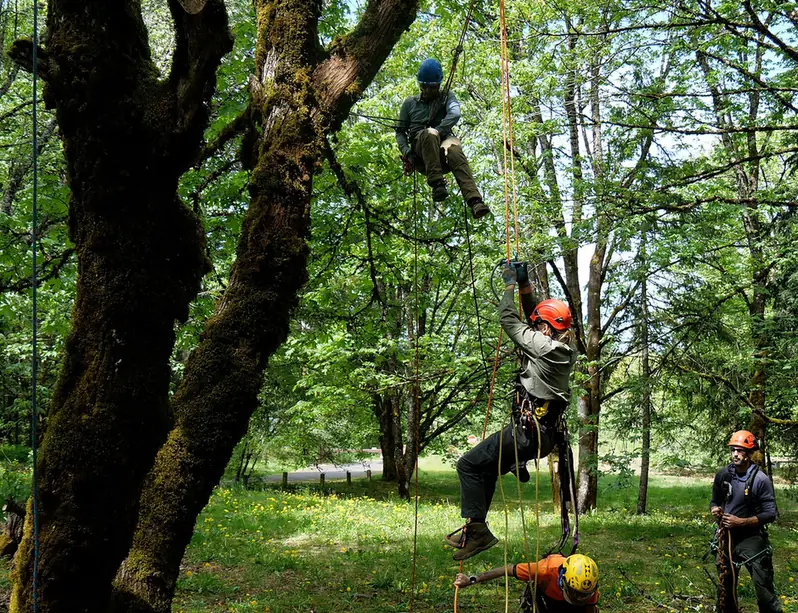
We agree the objective first, because thinning, raising and reduction are different jobs.
Call
Tell us what is bothering you: light, clearance over the drive, limbs on the roof, or deadwood coming down.
Assess
We look at the whole crown and say which pruning type actually solves it.
Quote
A written scope naming the cuts and the price, before the climb.
Prune
Cuts made, brush chipped, and the ground raked before we leave.
Four Pruning Types, Compared
The four recognised pruning types under the ANSI A300 standard, and the problem each one actually solves.
| Pruning type | What comes off | Solves | Does not solve | Note |
|---|---|---|---|---|
| Crown thinning | Selected live branches throughout | Dense crown, poor air movement | Overall height or spread | Density changes, size does not |
| Crown raising | The lowest limbs | Clearance over drives, walks and roofs | Anything higher in the crown | Overdone, it becomes lion-tailing |
| Crown reduction | Height or spread, cut back to laterals | A tree too big for its space | Decay or a bad union | Reduction cuts, never stubs |
| Deadwooding | Dead, dying and diseased branches | Loose material overhead | Live structural weakness | Can be done in any season |
Pruning, in short
Why Bossier City trees need pruning so often
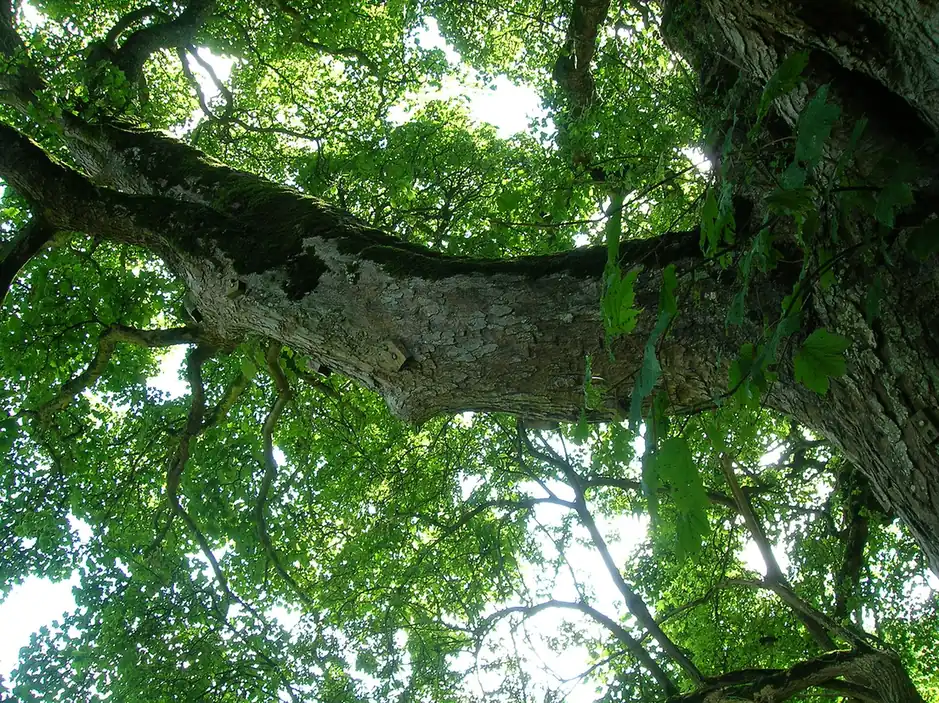
Fast growth and a long season. The species that dominate yards here, water oak and sweetgum, put on length quickly in a climate that runs to ninety-four degrees in August and takes fifty-two inches of rain a year. Quick growth means weak unions and limbs that get long before they get strong, which is exactly the shape that fails in a straight-line wind. Pruning on a cycle keeps the ends short and the weight in tight. We thin, raise, reduce and deadwood, and we say plainly when a tree is past pruning and into removal. The pruning cycle matters more than any single visit to the tree ever does.
- ✓ Thinning and raising
- ✓ Reduction cuts, never topping
- ✓ Deadwood removed
- ✓ Clearance over drives
- ✓ Brush chipped on site
- ✓ Cycle pruning advice
Tree Work Handled in Bossier City
Six services, one crew: removal, pruning, stumps, storm response, lot clearing, and the debris haul afterward.
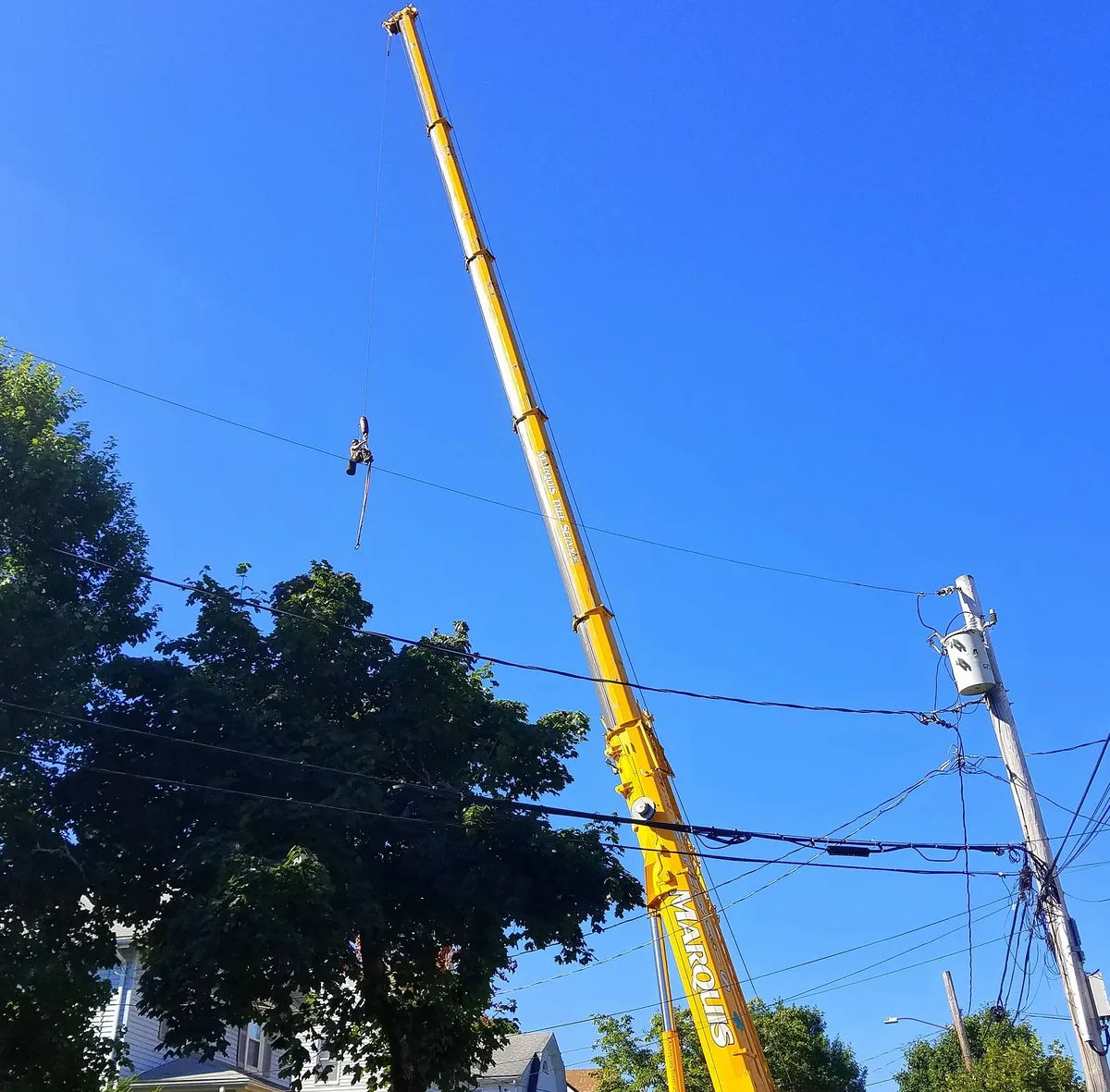
Tree Removal
Whole-tree felling where the drop zone allows it, sectional rigging where it does not.
Learn more →Tree Trimming
Thinning, raising and reduction cuts made at the branch collar, never topping.
Learn more →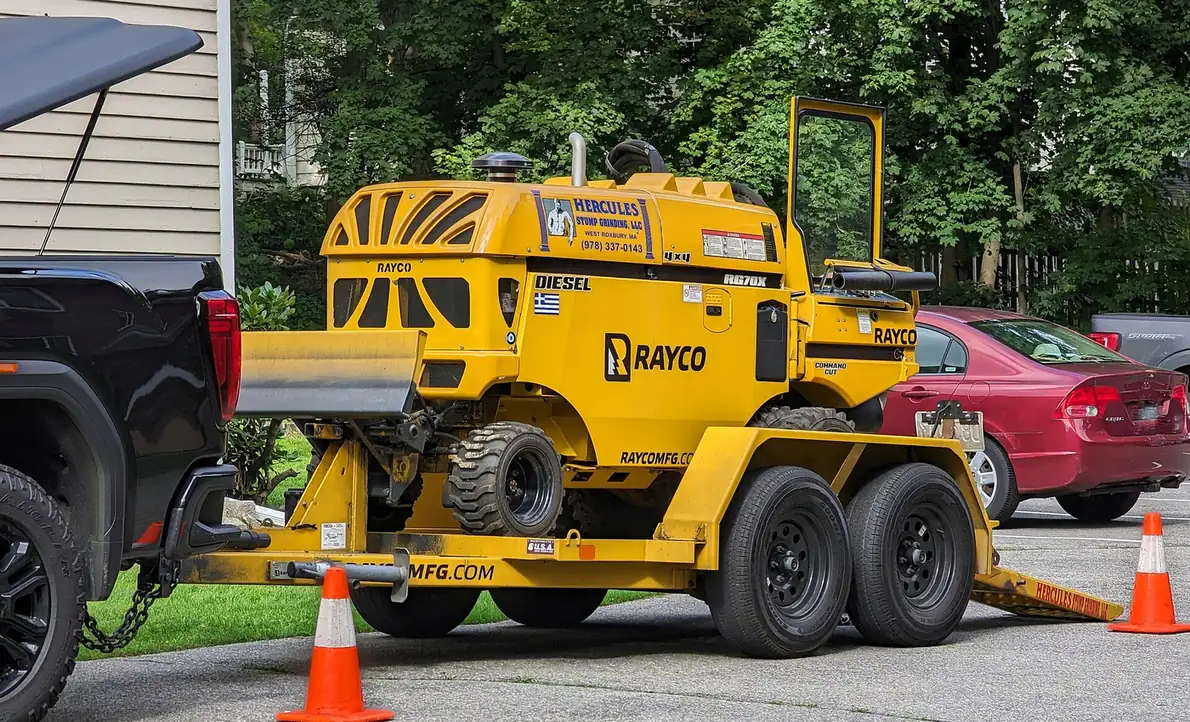
Stump Grinding
Grinding below grade so the ground takes sod, a bed or a fence post again.
Learn more →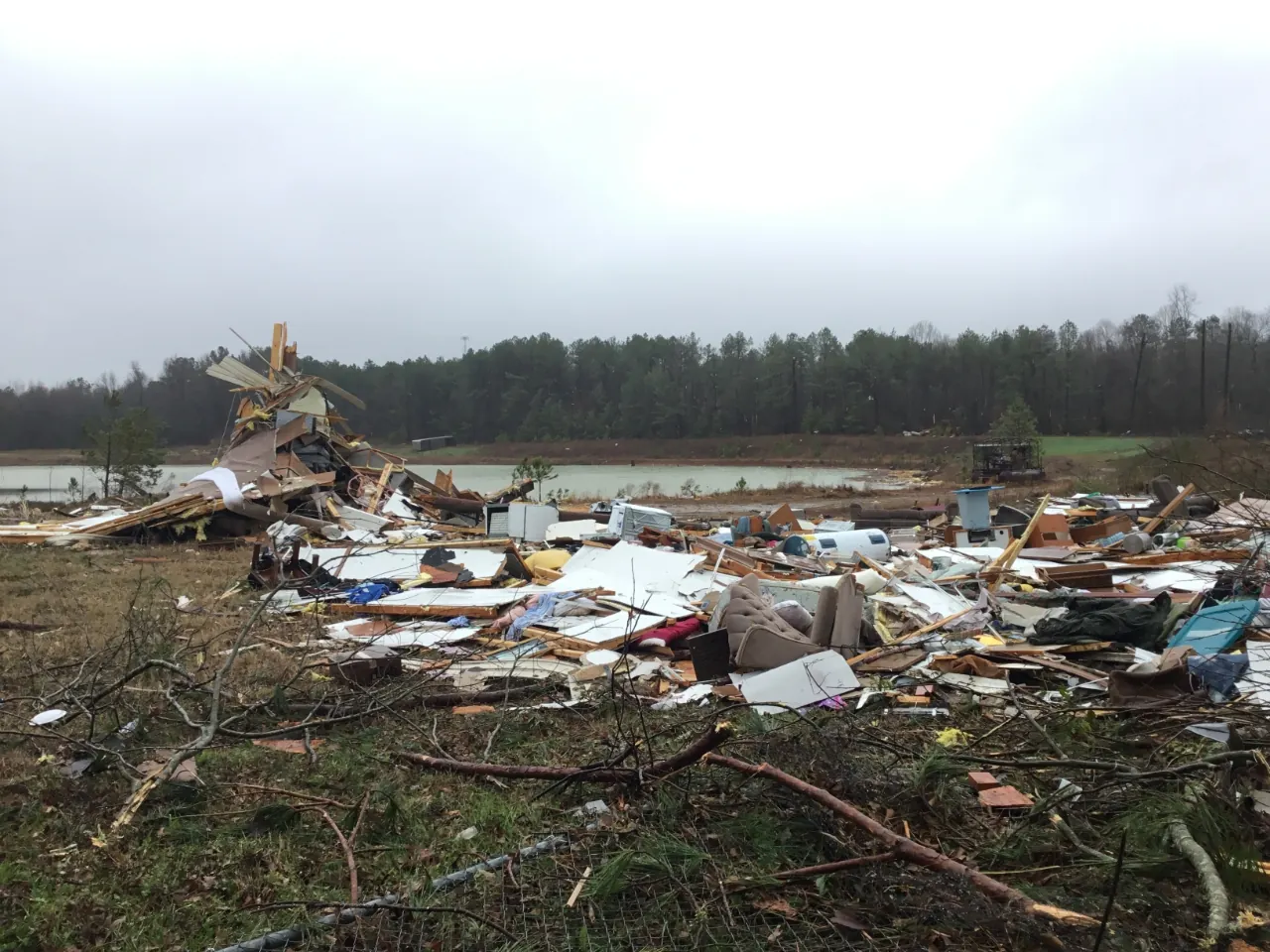
Emergency Tree Removal
Trees on structures, blocking a drive, or leaning after wind. Called first, cleared first.
Learn more →
Land Clearing
Brush, undergrowth and small stems cleared off a lot before a build or a fence line.
Learn more →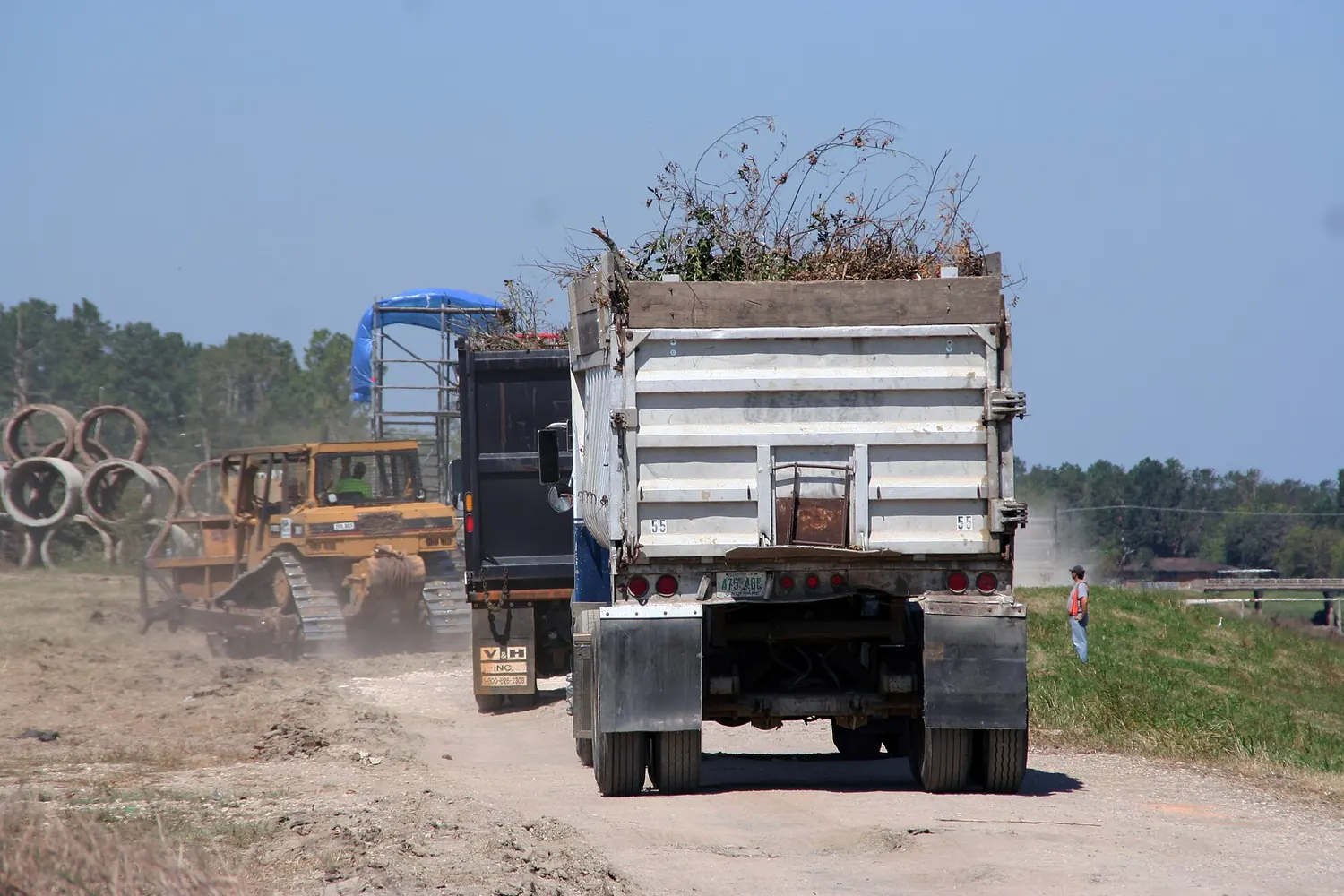
Storm Debris Cleanup
Chipping and hauling of downed wood, sorted for what may lawfully leave the parish.
Learn more →Where We Work Across Bossier Parish
We run Bossier City daily and cover the ring: Haughton and Benton east and north, Elm Grove and Red Chute between, Shreveport across the river, out to Plain Dealing when the job warrants the drive. Scope and price in writing before a saw starts. The drive is not a line item.
Pruning questions answered
Thinning takes selected live branches out to open the crown without changing its size. Raising removes the lowest limbs for clearance. Reduction shortens height or spread back to laterals. Different problems, different cuts.
No. Topping violates the ANSI A300 pruning standard. It starves the tree, leaves stubs that rarely seal, and forces dense water-sprout regrowth that is weakly attached and more likely to fail than what was removed.
Deadwood can come out any time. Structural pruning is generally easier when the crown is bare and the structure is visible. Storm-season clearance work tends to get booked before the season, not during it.
A modest share of the live crown. There is no single number that fits every tree, which is why we set the objective before the climb rather than pruning to a percentage someone read on the internet.
It reduces the odds and it changes what fails. Deadwooding removes what is already gone. Reduction shortens the lever arm on long limbs. Neither turns a decayed union into a sound one.
It is priced by the tree, not by the hour, because a twenty-foot crepe myrtle and a seventy-foot oak over a roof are not the same afternoon. We quote in writing after we have looked at the crown.
Yes. Brush is chipped on site and taken with us, and the ground gets raked. Chips can stay if you want them for beds, which saves us a trip and saves you buying mulch.
Got a tree you are Not Sure About?
Same-day looks when the calendar allows it, a visit that costs you nothing, and a person on the phone rather than a form robot. Call, or send the details and we will come measure it.